
Located in western Türkiye, Manisa stands out as a city where layers of history — from ancient civilizations to the Ottoman era — remain visible today, enriched by both tangible and intangible UNESCO heritage.
Known in antiquity as Sypylos, Manisa was a major center during the Lydian Kingdom and later gained importance under Roman and Byzantine rule.
The city went on to serve as the capital of the Saruhanid Beylik in the 14th century and later became a key Ottoman training ground for princes.
Between the 15th and 16th centuries, 16 Ottoman princes — including future sultans such as Mehmed the Conqueror and Suleiman the Magnificent — served as governors here, leaving behind mosques, schools, hospitals and public complexes.
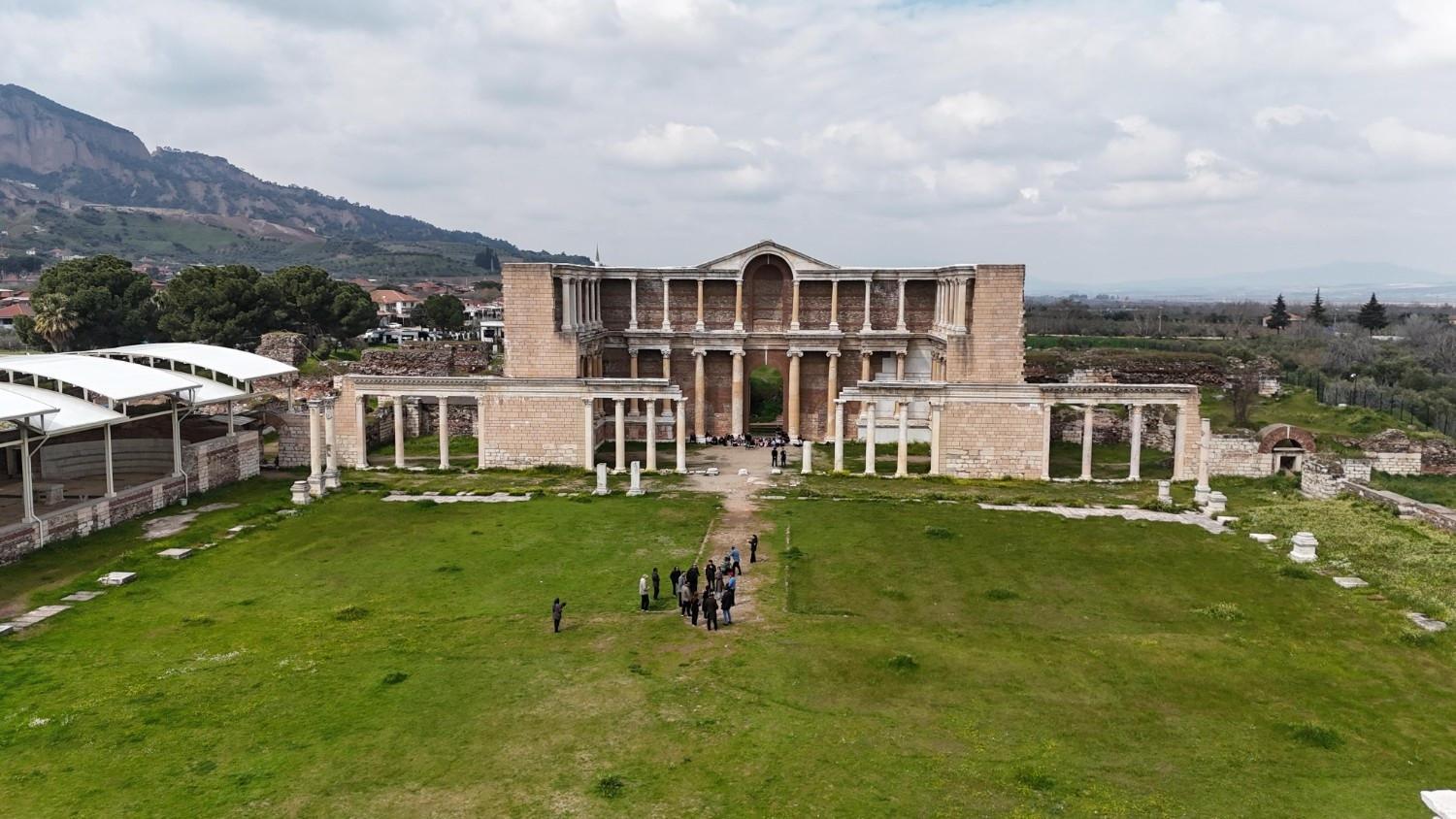
One of the region’s most significant archaeological sites is Sardes, the ancient capital of the Lydian Kingdom, widely regarded as one of the first places where coinage was minted.
Situated at the foothills of the Gediz Plain, the site features remains from the Hellenistic, Roman and Byzantine periods.
Among its most striking structures is the monumental Temple of Artemis, considered one of the largest in Anatolia.
Also notable is the Sardes Synagogue — one of the largest known from the ancient world — dating back to the 3rd century A.D., with intricate mosaics and marble decorations that reflect the prosperity of the Jewish community at the time.
Ongoing excavations, which began in 1958, continue to reveal new findings, including sections of the Lydian palace and evidence linked to the final conflict between Lydian King Croesus and the Persian Empire.
Archaeologists have also uncovered early silver coins and expanded knowledge of the city's defensive walls and settlement areas.
Nearby, the Bintepeler tumuli form one of the largest ancient burial landscapes in Anatolia. Spread across the Gediz Plain near Salihli, the site contains hundreds of burial mounds dating to the 7th and 6th centuries BC.
The largest of these, believed to belong to King Alyattes, rises over 60 meters high and spans approximately 355 meters in diameter.
Often referred to by European travelers as the “pyramids of Anatolia,” the tumuli reflect the wealth and funerary traditions of the Lydian elite.
Beyond its physical heritage, Manisa is also known for a centuries-old festival dedicated to “mesir macunu,” a traditional Turkish sweet paste.
Inscribed on UNESCO’s Representative List of the Intangible Cultural Heritage of Humanity in 2012, the festival commemorates a medicinal paste prepared with 41 herbs and spices, originally created to cure Hafsa Sultan.
Each year, the mixture is symbolically distributed to the public by being thrown from the domes and minarets of the Sultan Mosque, drawing tens of thousands of visitors.
This year’s edition is scheduled to take place from April 22 to 26, with the traditional distribution ceremony set for April 26.
Together, Manisa’s archaeological sites, Ottoman monuments and enduring traditions present a comprehensive picture of a city where history continues to shape everyday life.


