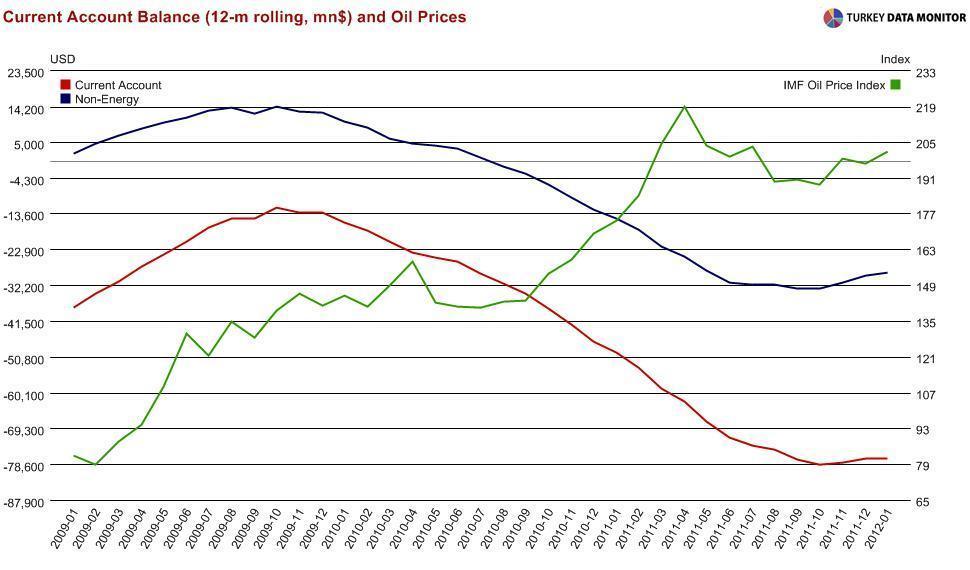
At
$6 billion, the January
current account deficit came in higher than market expectations of $5.5
billion, not to mention Economy Minister Zafer Çağlayan’s optimistic $4 billion
projection. According to Sabah, this would make Çağlayan a “karavanacı”
(someone who completely misses the target), as the Turkish daily has called
economists whose forecasts have been off.
High
oil prices are definitely taking their toll on the current account, but even
the non-energy deficit is not adjusting as quickly as expected. As anyone who
skims Turkish dailies would know, a high deficit is a risk because it makes the
country dependent on foreign financing, basically subjecting it to the whims of
global risk appetite. An economy where the Central Bank governor spends more
time worrying about the Fed and ECB than domestic developments is not
healthy by any means.
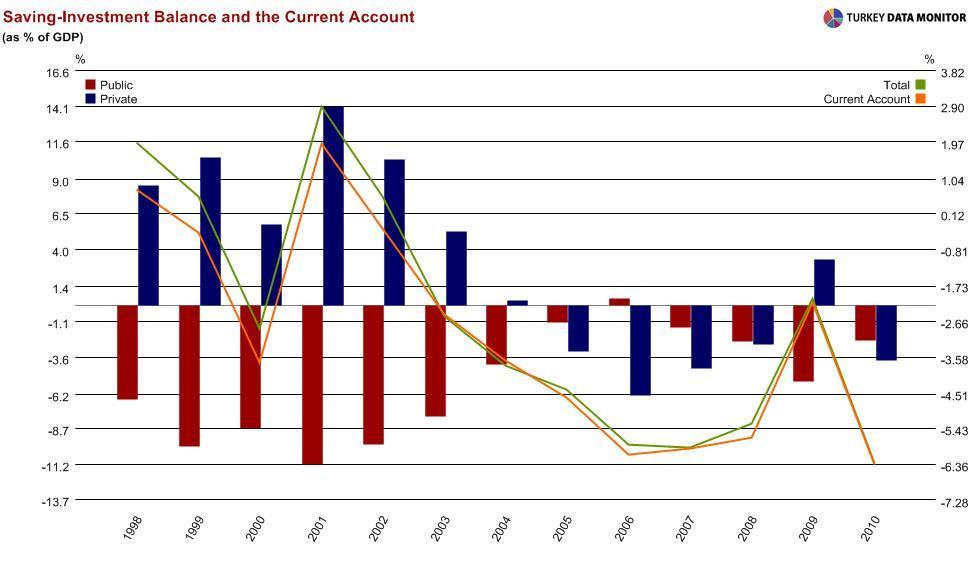
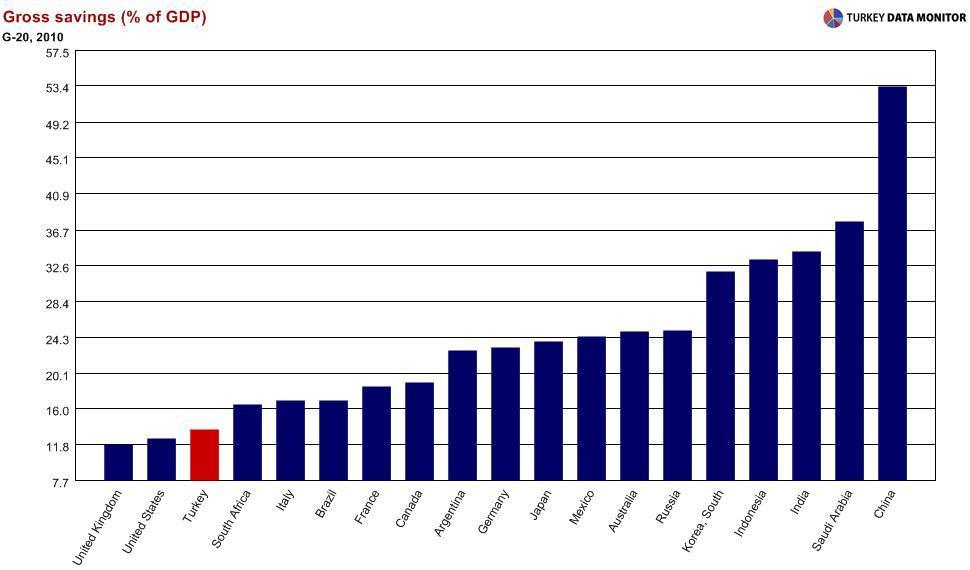
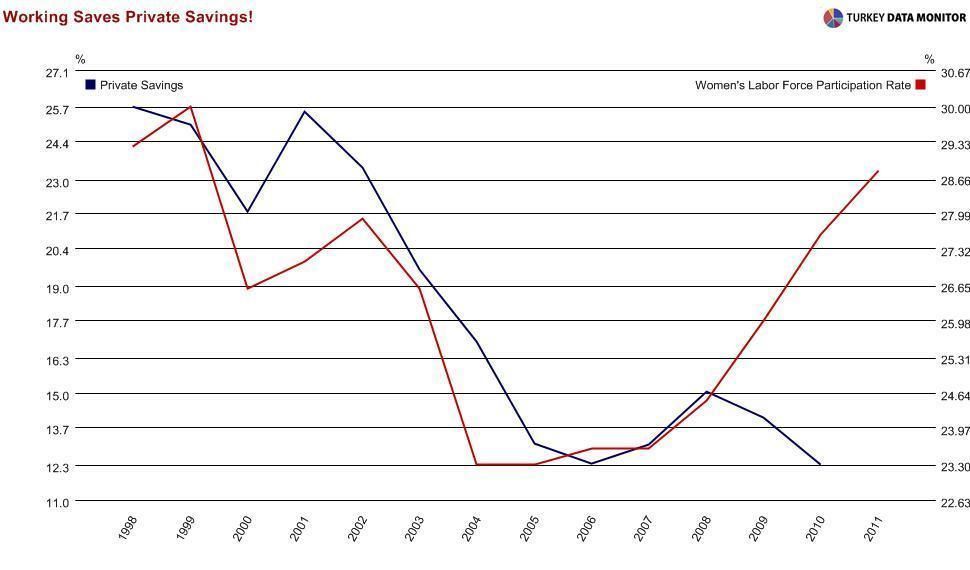
Moreover,
savings have been falling since the end of the last millennium. While public
sector profligacy was behind the decline before the 2001 crisis, the fall in
savings over the last decade has mainly been a private sector phenomenon, as
the government started running a tight fiscal ship as part of the crisis
recovery program.
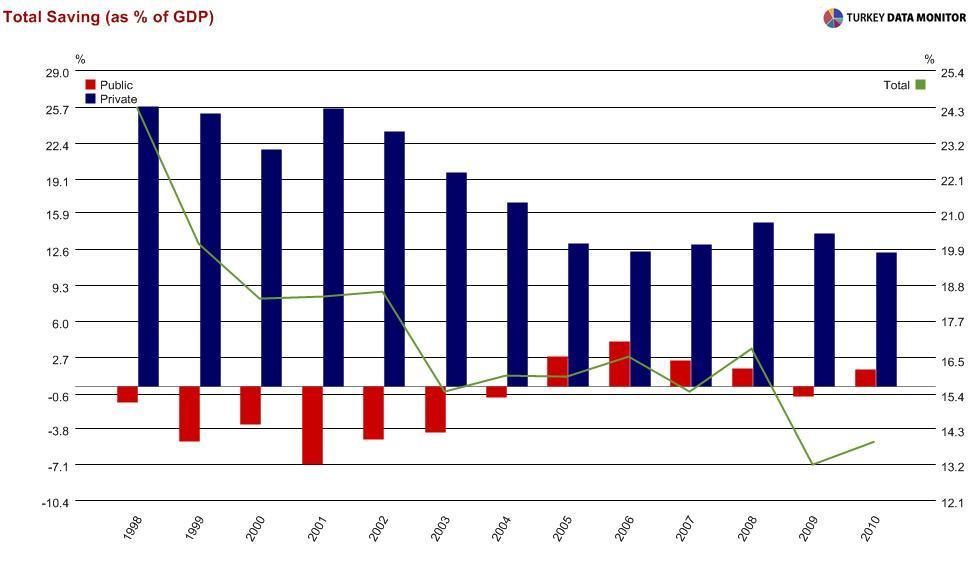 In
a
new study, which was released in Istanbul and Ankara last week, World Bank economists
go a step further by showing that the savings shortfall was due to the plunge
in household savings, as corporate savings actually increased, at least until
the 2008-2009 global crisis.
In
a
new study, which was released in Istanbul and Ankara last week, World Bank economists
go a step further by showing that the savings shortfall was due to the plunge
in household savings, as corporate savings actually increased, at least until
the 2008-2009 global crisis.
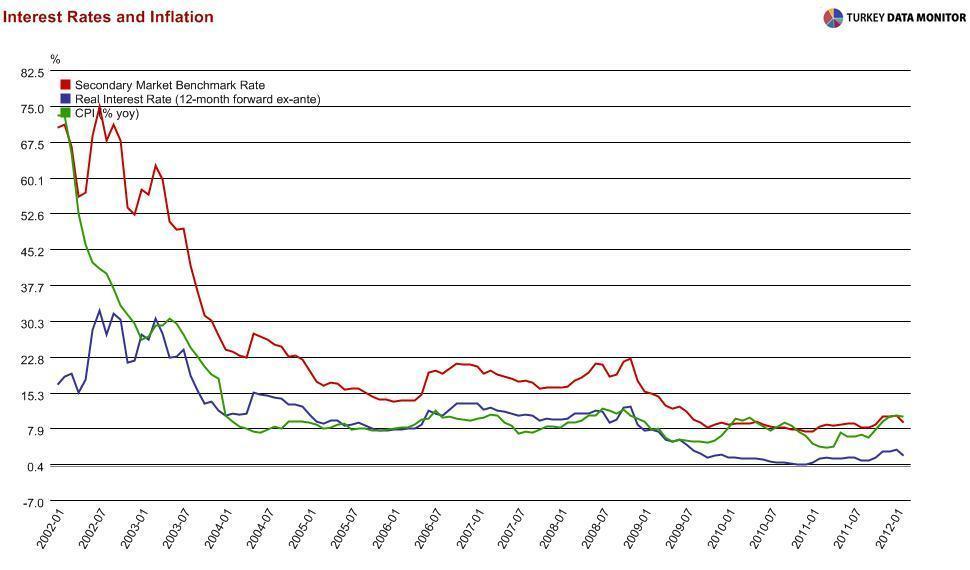
They attribute lower household savings mainly to the “decline in macroeconomic vulnerabilities”: The increased availability of credit, fall in interest rates and postponed consumption more than offset the increase in savings that would be associated with rising incomes. There was also less need for precautionary savings as the economy normalized.
But the real question is how to increase private savings. This is where I will pick up next week, when I will conclude my savings trilogy.